
Security & Defense
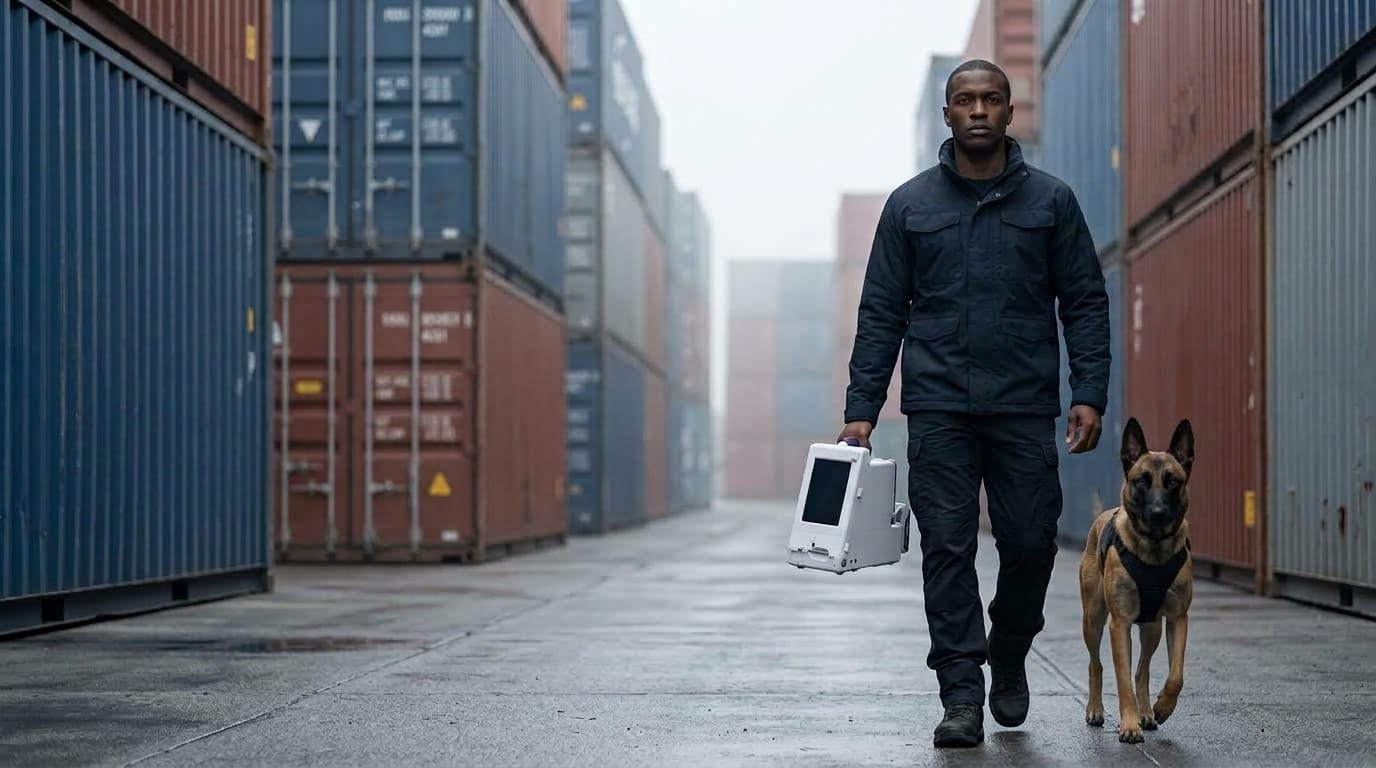
Chemical threats, identified in the field.
Every chemical threat, whether a pharmaceutical-based agent (PBA), chemical warfare agent (CWA), explosive, or toxic industrial chemical or material (TIC/TIM), leaves evidence of its presence. It can release vapor, become aerosolized accidentally or intentionally, or transfer to surfaces on contact. Detecting those traces is the foundation of your response.
Sample
Vapor, surface, or liquid
Identify
One-touch, autonomous chemical ID
Characterize
Concentrations compared against exposure limits
Inform
Evidence delivered to the people who make the call
Sample
Four Ways In
TICs, TIMs, CWAs, and beyond. Whatever the threat, there's a way to sample its traces.
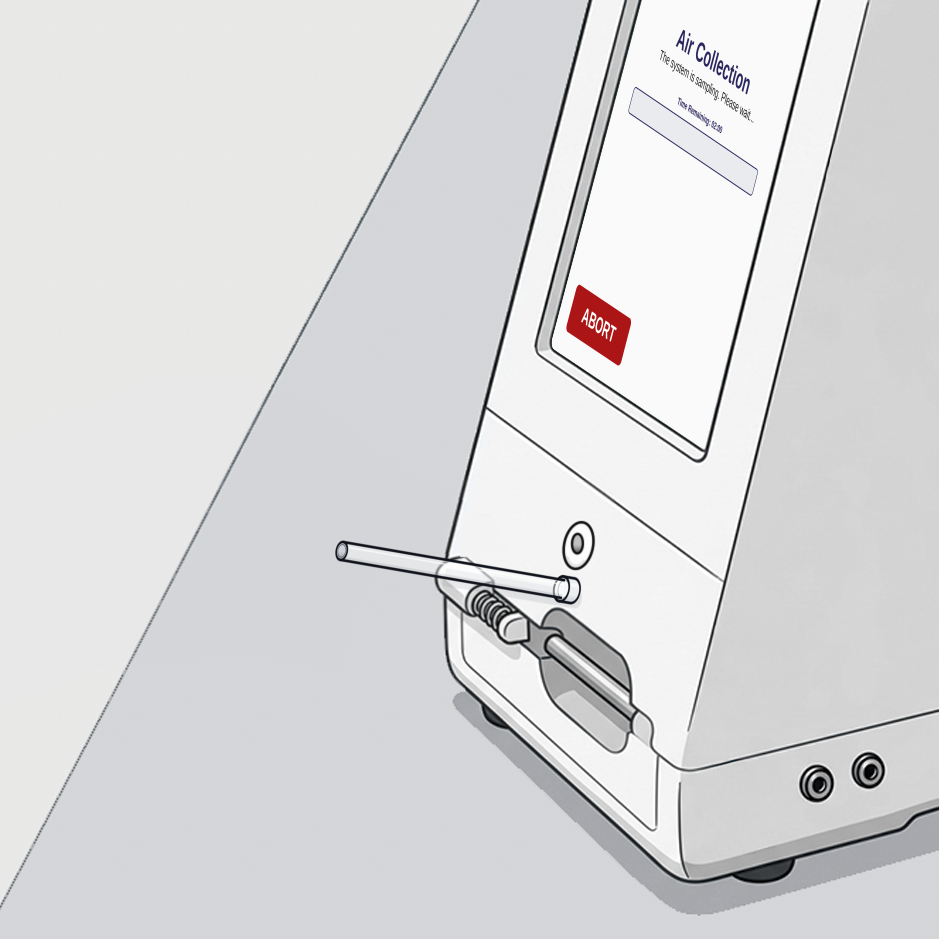
Ambient Air/
Aerosol Collection
VAPORS & AEROSOLS
Collect vapor phase and aerosolized organic compound from ambient air onto a sorbent then desorb and inject splitlessly into the GC-MS stage.
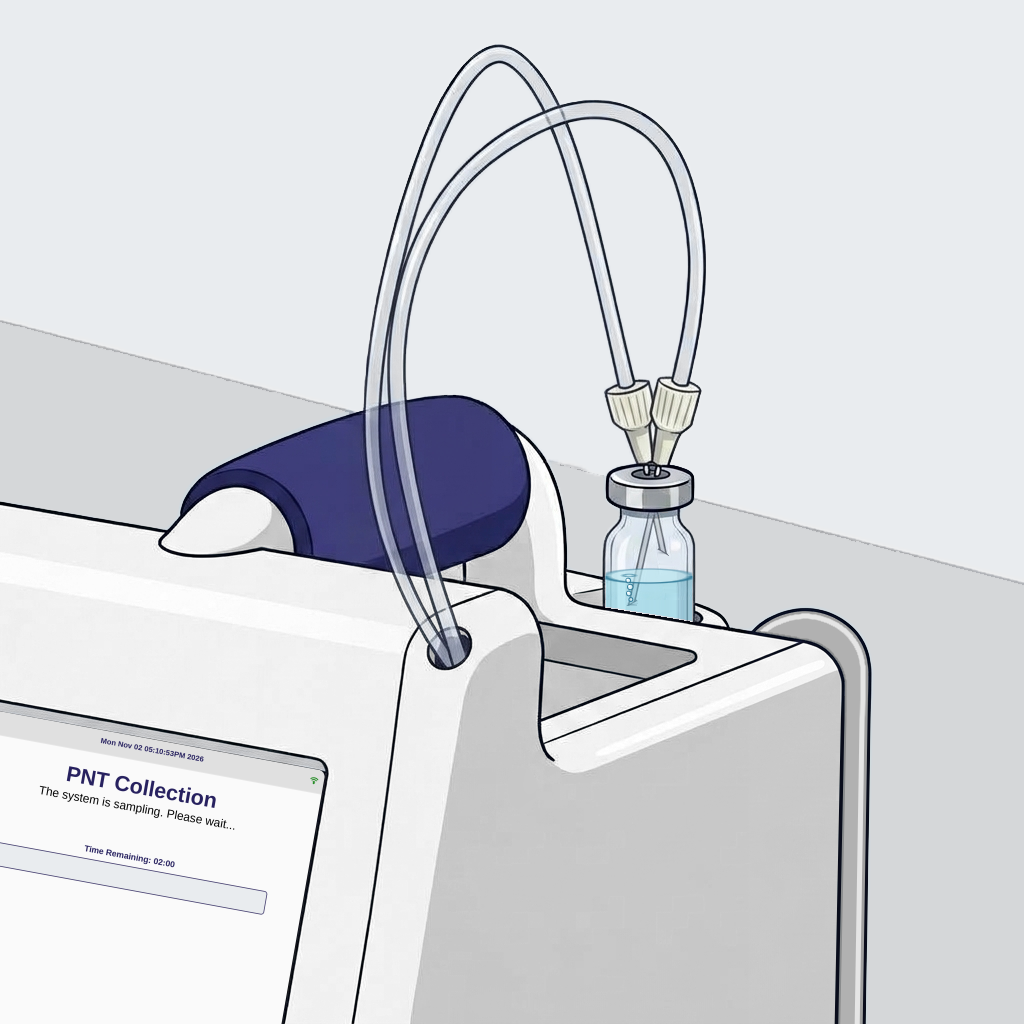
Headspace/
Purge & Trap
SOIL, SURFACE & LIQUID
Headspace sampling pulls VOCs from soils, fabrics, swabs and wipes, while purge & trap extracts them from water and other liquids. Analytes are concentrated on a sorbent and thermally desorbed splitless onto the GC column, so the entire sample reaches the detector.
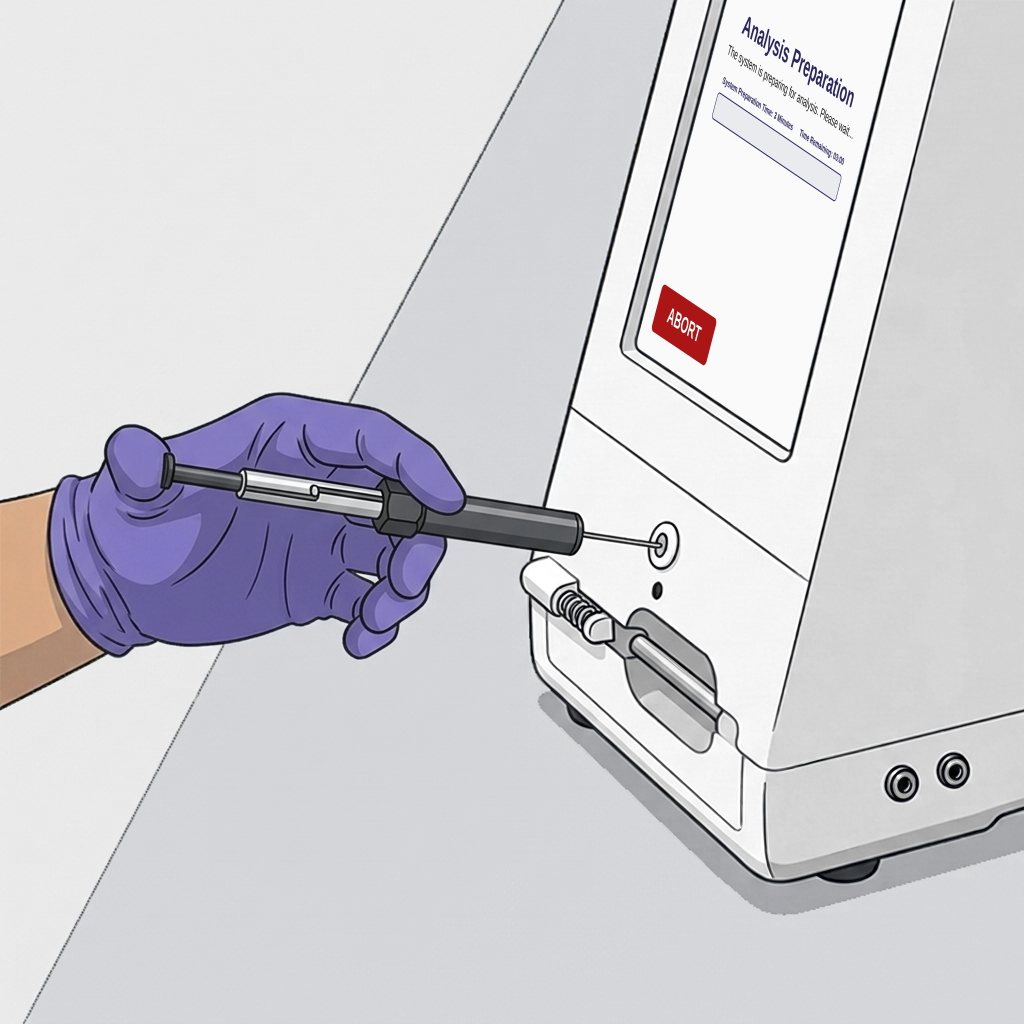
SPME
SPME
VAPORS & LIQUIDS
A coated fiber (SPME) preconcentrates VOCs and SVOCs by direct immersion in liquids or by exposure to air and the headspace above soils, fabrics and swabs. Desorption in the heated GC inlet is solvent-free and splitless, for maximum sensitivity.
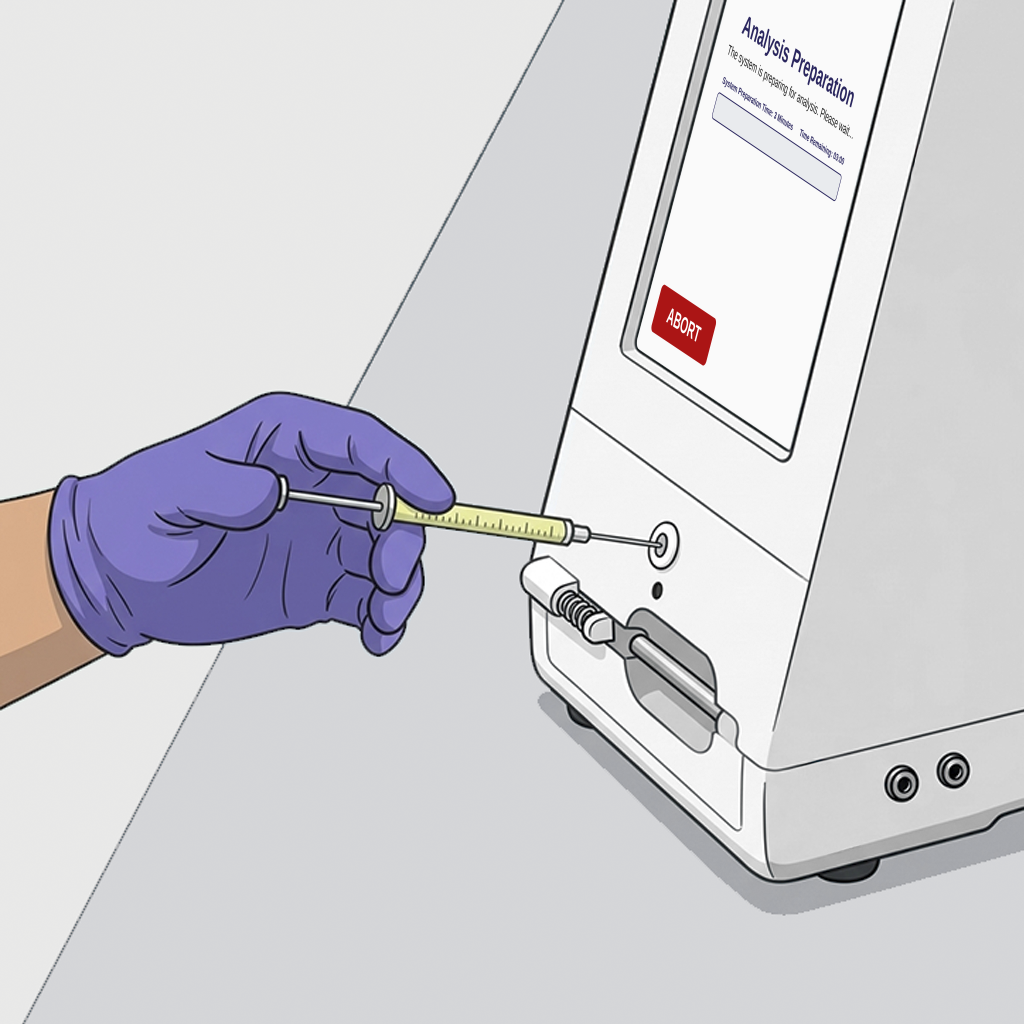
Liquid Injector
Liquid Injector
EXTRACTS
Direct splitless injection of solvent extracts and prepared liquid samples, including extracts from soils, cloth and surface wipes. Compatible with standard lab prep methods.
Identify
No Scientist in the Loop
Most analytical instruments need highly trained personnel to interpret their results. CLARION uses machine learning to interpret the data and deliver decision support based on the compounds it detects, whether that means selecting a subject for PCR testing of specific pathogens or evacuating a building because of hazardous chemical concentrations.
One-touch operation
The operator selects the sample introduction method with a single button, and an optimized analytical method runs automatically from sampling to detection.
Onboard data analytics
Automated peak deconvolution, compound identification based on mass spectrum and retention time, and library matching run on the instrument.
Confirmatory chemical ID
The screen shows the compound identified from onboard libraries and a probability score. No spectral interpretation required.
Inform
Proven in the Field
Conventional GC-MS is heavy, needs continuous vacuum and stable power, and can take hours to start up. Since these instruments cannot be taken into the field, samples get shipped away while commanders wait, or teams act on presumptive results from tools built for speed rather than specificity.
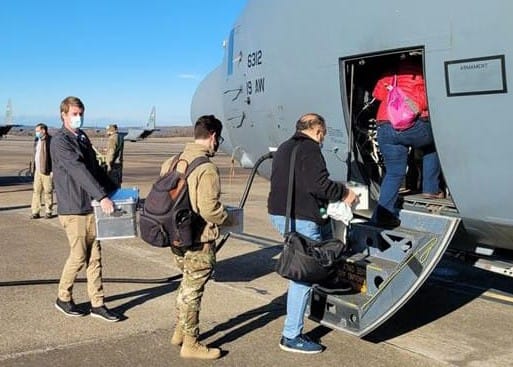
Chemical Warfare Agents &
CBRN Decontamination
Verify decontamination at the asset in near real time.

Urban Chemical &
Biological Defense
Continuous chemical situational awareness in crowded,
enclosed spaces.

Aerosolized Chemical Threats
Non-volatile threats carried on the wind, collected and identified in place.
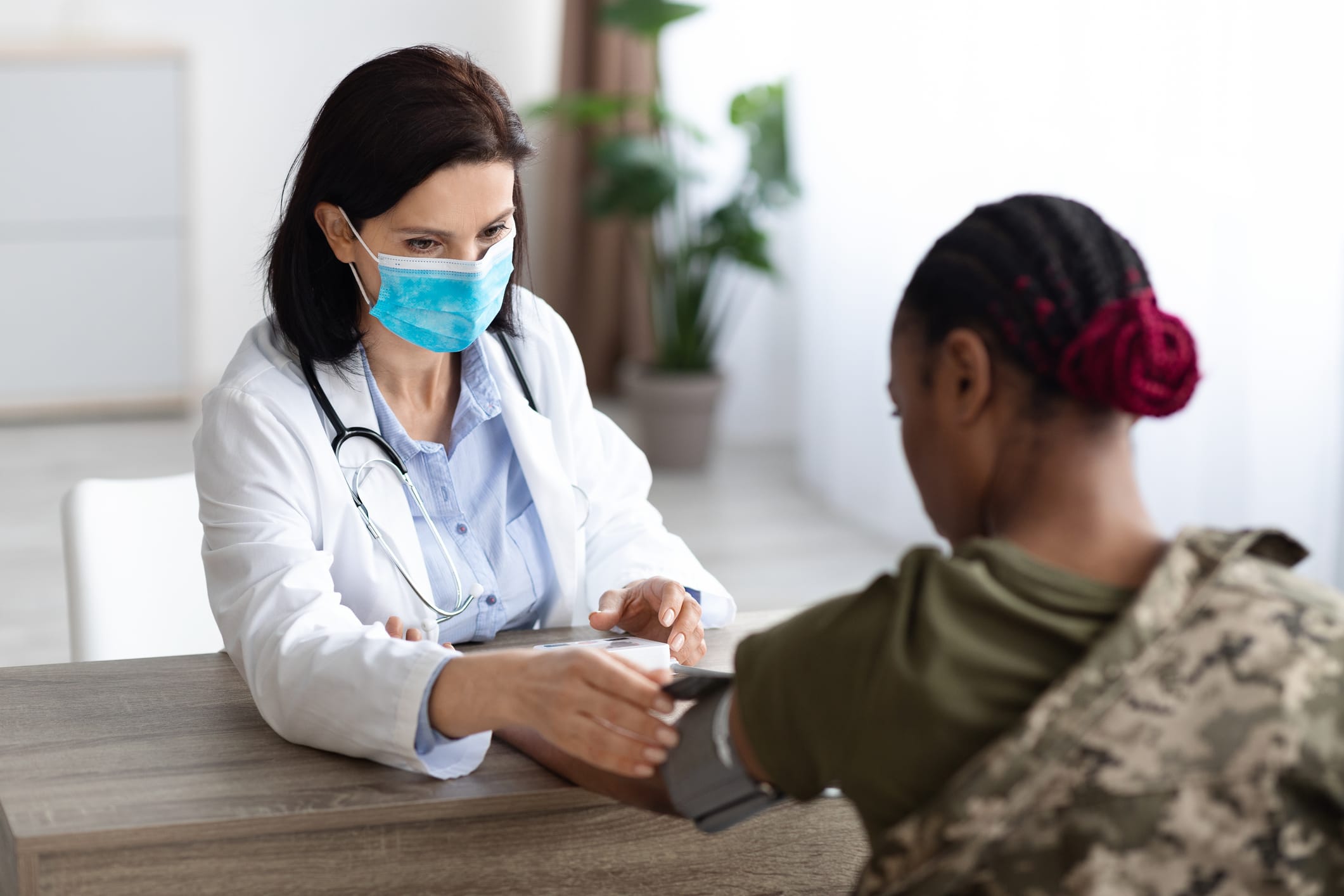
Warfighter Health &
Force Readiness
A two-minute breath test that keeps units mission-capable.
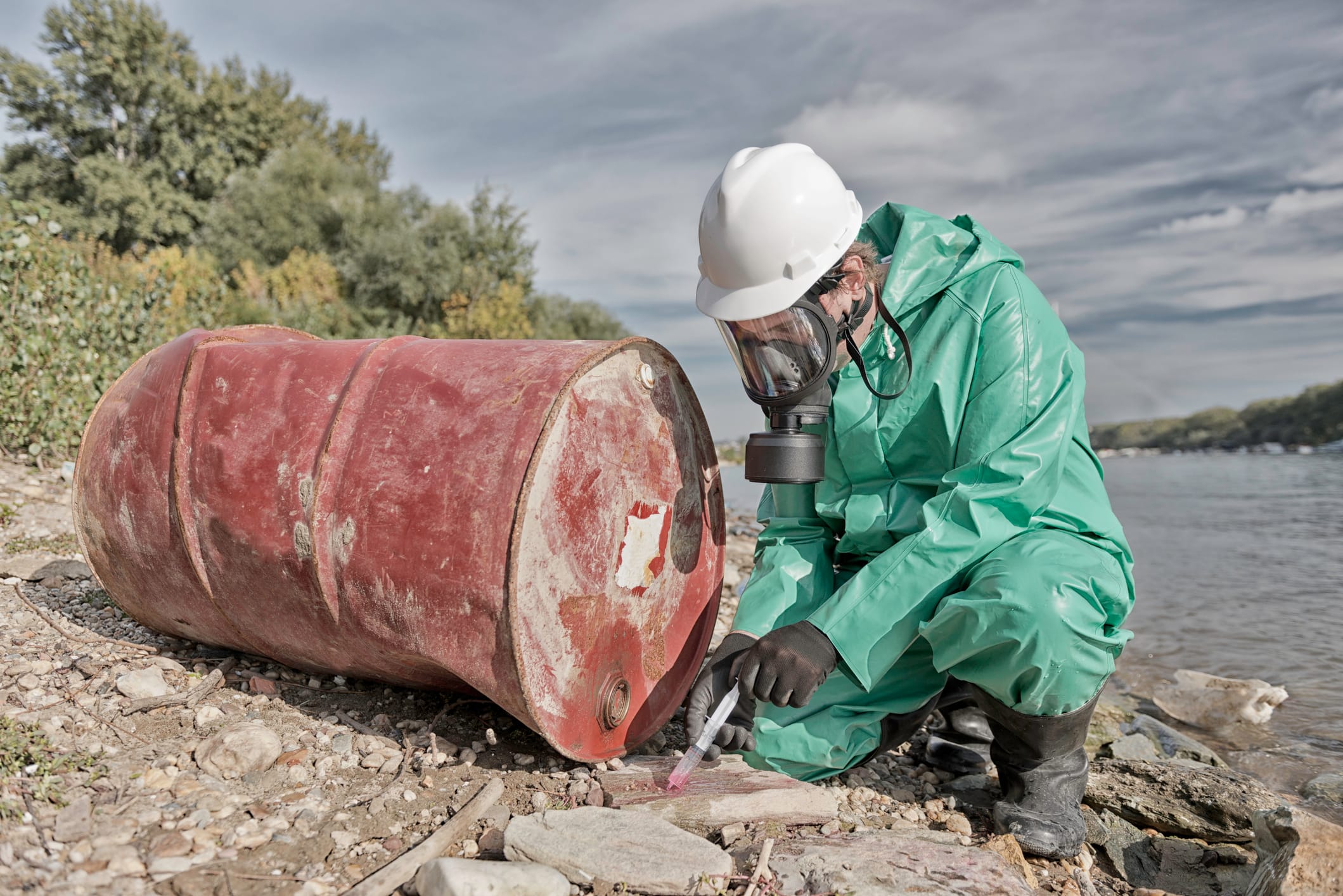
Expanded Threat Detection & Exposure Assessment
Detect known hazards and emerging threats, and document what personnel were exposed to.
Deployment
Built for the Mission

Expeditionary Forces
Forward operating bases &
field hospitals

Aviation
Cargo holds, cabins &
post-decon clearance

Naval & Maritime
Shipboard air monitoring &
confined-space entry

CBRN Defense Units
Recon, decon verification & sample ID

Homeland Security
Transit hubs, stadiums &
critical infrastructure

Border & Ports of Entry
Customs inspection & cargo screening

Intelligence Community
Trace chemical & aerosol collection

Military Medicine
Pre- and post-deployment screening
Bring confirmatory chemistry to your mission.
We work with defense, intelligence, and homeland security partners to put lab-grade identification at the point of need.